
 See Our Latest Article on HelloNation
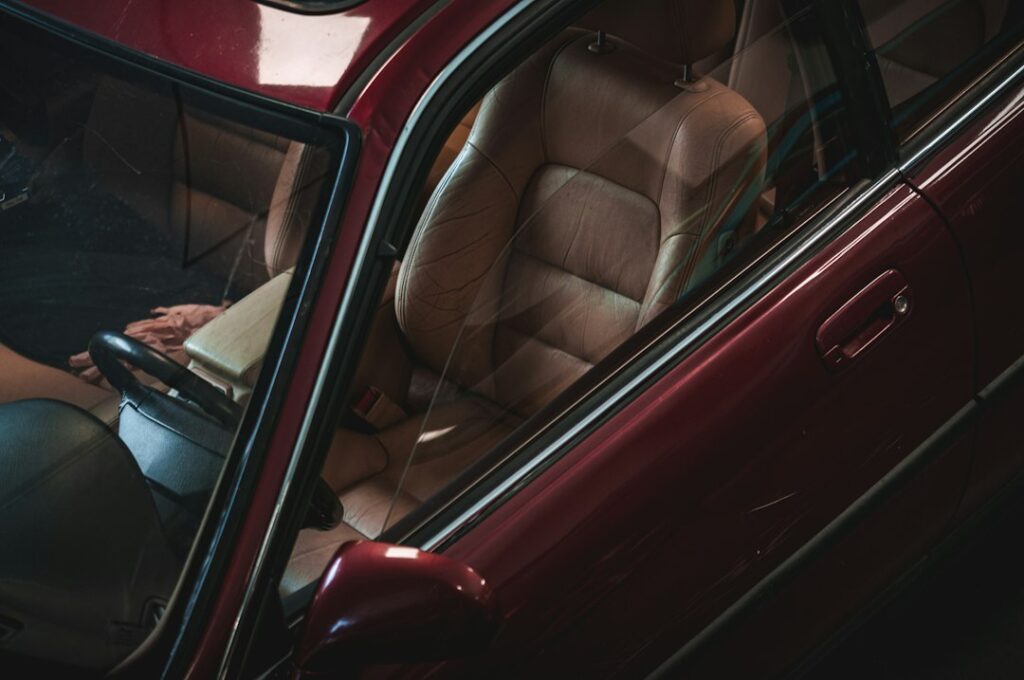
Long commutes can place steady stress on the neck, shoulders, back, hips, and legs—even when no single movement feels strenuous. A comfortable commute depends on more than posture alone. Seat position, steering-wheel distance, driving habits, winter conditions, and how the body recovers between trips all influence how a person feels after reaching work or home.
Why can commuting cause back and neck pain?
Sitting in one position for a prolonged period reduces movement through the spine and hips. Muscles may remain partially contracted to stabilize the body, while the hips stay bent and the head may drift forward toward the windshield. Over time, this can contribute to stiffness, aching, headaches, or pain that spreads into the shoulders or lower back.
Stop-and-go traffic can add another layer of strain. Repeated braking, turning, reaching, and checking mirrors may cause the body to rotate slightly for long periods. Drivers may also grip the steering wheel tightly when traffic is stressful, which can increase tension through the forearms, shoulders, and upper back.
The goal is not to hold a perfectly rigid posture. A better approach is to create a supported driving position and change position whenever it is safe to do so.
How should a car seat be adjusted?
The seat should allow the driver to reach the pedals and steering wheel without stretching forward or locking the knees. Start with the seat position, then adjust the backrest, head restraint, steering wheel, and mirrors.
A practical setup includes:
- Keep the hips level with, or slightly higher than, the knees when possible.
- Maintain a small bend in the knees when the pedals are fully depressed.
- Sit back against the seat rather than perching near the edge.
- Adjust the backrest so the torso is supported without reclining excessively.
- Position the head restraint so it supports the back of the head, not just the neck.
- Bring the steering wheel close enough that the elbows remain comfortably bent.
- Keep the shoulders relaxed instead of reaching forward.
- Set mirrors after settling into the driving position so there is less need to lean or twist.
If the steering wheel is too far away, the upper back and neck may round forward. If it is too close, the arms and shoulders may feel crowded. The safest position is one that provides control of the vehicle while allowing the body to remain supported.
Should a driver use lumbar support?
Lumbar support can be helpful if it fills the natural curve of the lower back without pushing the abdomen forward or creating pressure. Many vehicles have adjustable lumbar controls, but a properly positioned seatback may be sufficient.
A small rolled towel or similar support may help some drivers, but it should not force the spine into an exaggerated arch. Comfort and control matter more than achieving a particular posture. If support causes numbness, pressure, or increased pain, it should be removed or repositioned.
Drivers should also avoid sitting on thick objects such as bulky wallets, phones, or tools. Uneven pressure beneath one side of the pelvis can subtly rotate the hips and spine during the entire trip.
How often should someone move during a commute?
Movement breaks are especially useful on longer drives. For trips lasting more than an hour, stopping at a safe location to stand and walk briefly can reduce stiffness. Even a few minutes of walking allows the hips, knees, ankles, and spine to move after being held in one position.
During shorter trips, small adjustments can still help:
- Relax the grip on the steering wheel.
- Check that the shoulders are not creeping toward the ears.
- Keep both feet in their normal driving positions instead of bracing unnecessarily.
- Avoid leaning toward the center console or resting heavily on one elbow.
- Gently reset the head over the shoulders when stopped safely in traffic.
Stretching should never be performed while the vehicle is moving. Any exercise that affects alertness, balance, or the ability to control the vehicle should wait until the driver is safely parked.
What commute conditions are common in Stony Point?
Stony Point driving may involve a mix of local roads, winding routes, heavier traffic periods, and longer trips toward nearby employment centers. Seasonal conditions can also change how people sit and drive. Cold weather may lead drivers to wear bulky coats, tense their shoulders, or remain in the car longer while waiting for windows to clear.

Winter driving requires extra caution. Thick clothing can interfere with the way the seat belt rests across the body and may restrict movement around the steering wheel. It is safer to remove or loosen bulky outer layers when practical, secure the seat belt correctly, and allow enough time for windows and mirrors to be fully clear.
Snow, ice, rain, and uneven road surfaces can increase whole-body bracing. Drivers may tighten their abdominal muscles, grip the wheel, and raise their shoulders without noticing. Slowing down for conditions, leaving more following distance, and avoiding abrupt movements can reduce both crash risk and physical tension.
Can getting in and out of the car cause pain?
Yes. Repeatedly twisting while entering or exiting may aggravate the lower back or hips, particularly when the vehicle is low or parked close to another object.
A smoother method is to sit down first, then bring both legs into the vehicle together. To exit, turn the whole body toward the open door before standing rather than twisting the spine while the feet remain planted. Use the door frame or a stable handhold for balance, but avoid pulling forcefully on the steering wheel.
Drivers who carry work bags, groceries, sports equipment, or winter supplies should avoid lifting while rotated. Face the object, keep it close to the body, and use the legs and hips to assist with the lift.
What can help after arriving home?
A few minutes of gentle movement may be more useful than immediately reclining on a couch. Walking around the home, changing positions, or performing easy range-of-motion movements can help the body transition out of the seated driving position.
Useful options may include:
- A brief walk before settling down.
- Gentle shoulder rolls.
- Comfortable neck turns without forcing the motion.
- Easy hip and ankle movement.
- Changing out of stiff or restrictive clothing.
- Applying warmth for general muscle tightness if it is comfortable and medically appropriate.
Pain that repeatedly returns after driving may indicate that the seat arrangement, commute duration, lifting habits, or another physical factor needs closer attention. A symptom diary can help identify patterns, such as pain appearing after a certain length of time, worsening in cold weather, or occurring mainly after carrying items.
When does commuting pain need medical attention?
Occasional stiffness that improves with movement is often different from symptoms that are persistent, worsening, or associated with nerve involvement. Medical evaluation is appropriate for pain accompanied by significant weakness, progressive numbness, loss of coordination, bowel or bladder changes, fever, unexplained weight loss, or pain following a crash or fall.
A health professional should also evaluate pain that travels down an arm or leg, repeatedly disrupts sleep, or does not improve with reasonable changes in driving position and daily activity. Sudden severe symptoms should not be ignored.
A pain-free commute is not always possible, especially during long trips or difficult weather. However, a supported seat position, relaxed driving technique, safe movement breaks, and careful handling of belongings can reduce the physical demands placed on the body each day.
