
 See Our Latest Article on HelloNation
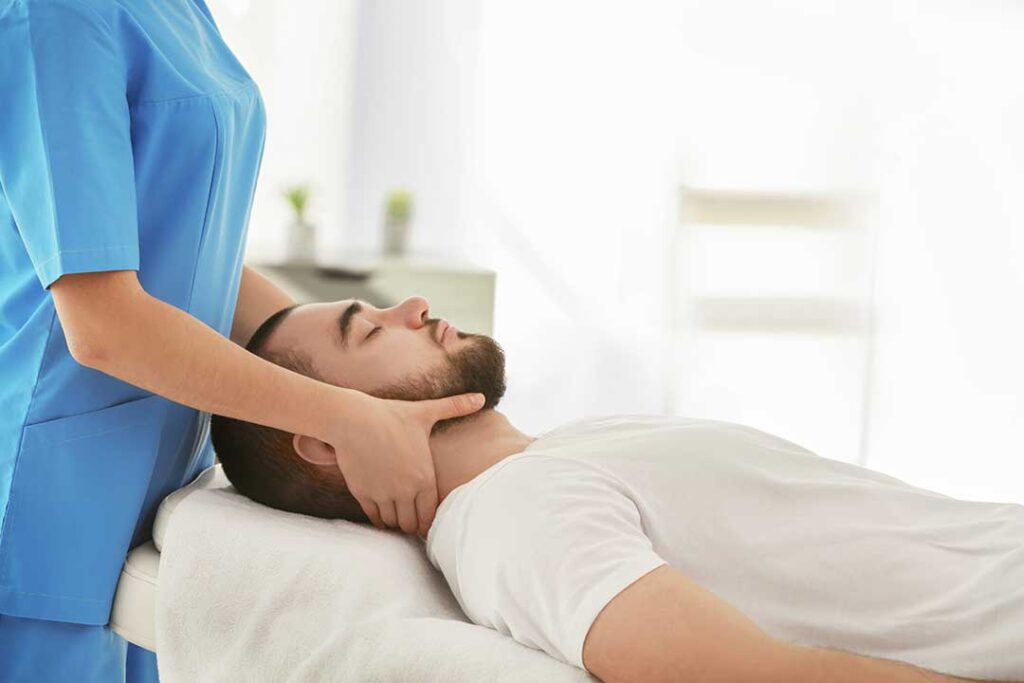
Anxiety can affect the mind and body at the same time. People may notice worry, racing thoughts, poor sleep, muscle tension, headaches, stomach discomfort, or a fast heartbeat. Chiropractic care may help some people manage related muscle tension or pain, but it is not a primary treatment for anxiety disorders.
For residents of Stony Point, NY, the most accurate answer is that chiropractic care may be a supportive option when anxiety is accompanied by neck, back, or other musculoskeletal discomfort. It should not replace evidence-based mental health care when anxiety is persistent, severe, or interfering with daily life.
Can chiropractic care directly treat anxiety?
Not reliably. Chiropractic treatment generally focuses on the musculoskeletal system, including the spine, joints, muscles, and related movement problems. Spinal manipulation is most commonly studied for conditions such as low-back pain, neck pain, and some types of headache—not anxiety itself. ([nccih.nih.gov](https://www.nccih.nih.gov/health/spinal-manipulation-what-you-need-to-know?utm_source=openai))
Some people report feeling more relaxed after hands-on care, but personal reports do not establish that chiropractic treatment can treat the underlying causes of generalized anxiety disorder, panic disorder, phobias, or post-traumatic stress disorder.
The National Center for Complementary and Integrative Health reports that there is not enough evidence to draw definitive conclusions about many complementary approaches for anxiety. Spinal manipulation is included among these approaches, so claims that it independently corrects anxiety, regulates all nervous-system problems, or replaces mental health treatment should be viewed cautiously. ([nccih.nih.gov](https://www.nccih.nih.gov/health/anxiety-and-complementary-health-approaches?utm_source=openai))
How might it help indirectly?
Chiropractic care may be useful when physical discomfort is contributing to stress or making anxiety symptoms harder to manage. For example, someone who spends long hours driving, working at a computer, caring for family members, or doing seasonal household tasks may develop neck or back tension. Cold weather and reduced outdoor activity can also encourage more sitting and less movement.
If treatment safely reduces pain or improves movement, a person may sleep more comfortably, exercise more easily, or feel less focused on physical discomfort. Those changes can support general well-being. They do not necessarily mean that the anxiety disorder itself has been treated.
A 2024 NCCIH survey summary found that some users of spinal manipulation reported reduced stress, better sleep, or easier coping after treatment. However, these were self-reported experiences and do not prove that spinal manipulation caused the improvement or that it works as an anxiety treatment. ([nccih.nih.gov](https://www.nccih.nih.gov/research/does-use-of-natural-product-supplements-yoga-and-spinal-manipulation-make-people-feel-better?utm_source=openai))
What treatments have stronger evidence for anxiety?
Psychotherapy and, when appropriate, medication have stronger evidence for anxiety disorders. Cognitive behavioral therapy, commonly called CBT, is considered a highly effective treatment for many anxiety conditions. It helps people identify unhelpful thought patterns, gradually face feared situations, and develop practical coping skills. ([apa.org](https://www.apa.org/topics/anxiety-disorders?utm_source=openai))
Depending on the diagnosis and a person’s medical history, treatment may also include:
- Antidepressant medication
- Short-term or other carefully monitored anti-anxiety medication
- Sleep, exercise, and stress-management strategies
- Treatment for chronic pain or another medical condition contributing to distress
A primary care clinician or qualified mental health professional can help determine whether symptoms fit an anxiety disorder, another health condition, or a combination of concerns. Regular anxiety, panic-like symptoms, and physical complaints can sometimes overlap with medical problems, so self-diagnosis is not always dependable. ([apa.org](https://www.apa.org/ptsd-guideline/patients-and-families/medication-or-therapy?utm_source=openai))
Is it reasonable to combine chiropractic care with anxiety treatment?
It can be reasonable when the goals are clear and the treatments address different concerns. For example, a person might receive counseling for anxiety while also receiving care for documented neck pain or back pain.
The key is to treat chiropractic care as complementary rather than curative. A chiropractor should know about significant medical conditions, current medications, recent injuries, and any mental health treatment that could affect care. Communication among healthcare providers is particularly helpful when symptoms are complex or several treatments are being used.
It is also reasonable to ask what a proposed treatment is intended to address. A specific plan for improving mobility or reducing musculoskeletal pain is different from a claim that spinal adjustments can resolve trauma, panic attacks, chemical imbalances, or all forms of emotional distress.
Are there safety concerns?
Spinal manipulation is generally associated with temporary side effects such as soreness, stiffness, or headache. More serious complications are uncommon but can occur. Neck manipulation deserves particular caution because the neck contains important blood vessels and nerves; patients should be informed about potential risks and alternatives before treatment. NCCIH discusses safety considerations and notes that spinal manipulation should be provided by an appropriately trained, licensed practitioner. ([nccih.nih.gov](https://www.nccih.nih.gov/health/spinal-manipulation-what-you-need-to-know?utm_source=openai))
Prompt medical evaluation is appropriate for symptoms such as:
- New weakness, numbness, trouble speaking, or loss of coordination
- Severe or unusual headache
- Chest pain, fainting, or significant shortness of breath
- Anxiety symptoms that begin suddenly with concerning physical signs
- Thoughts of self-harm or an inability to stay safe
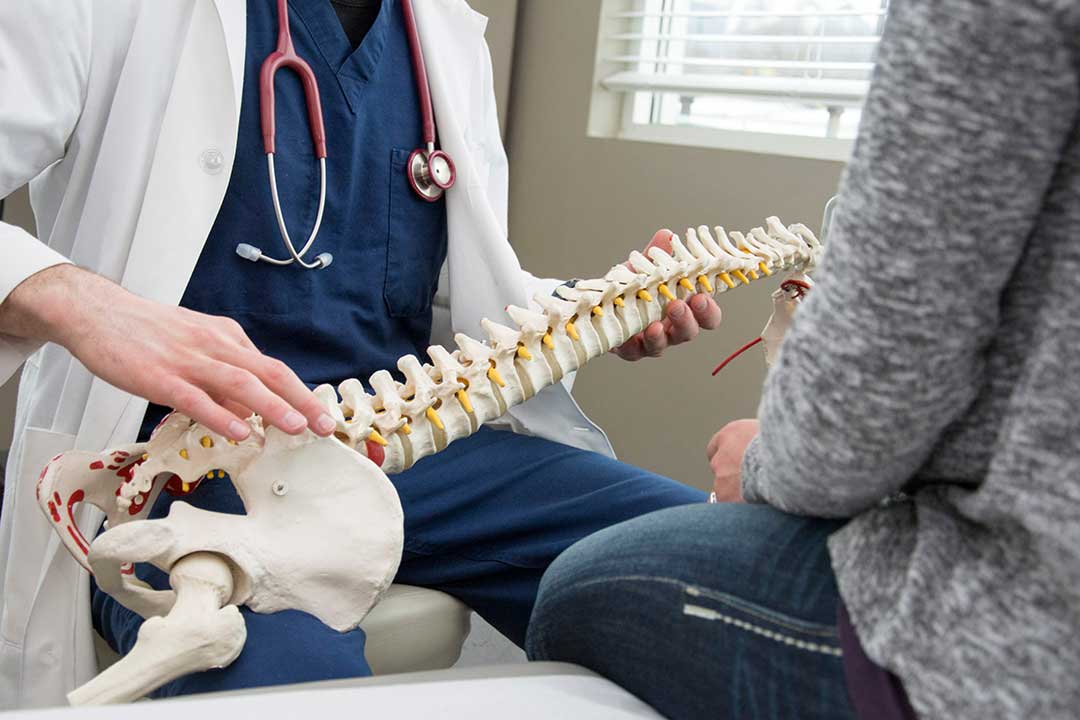
A person experiencing a mental health emergency should use local emergency services or a crisis resource rather than relying on chiropractic, self-care, or online advice.
What can residents do between visits?
Simple habits may help reduce both physical tension and anxiety-related discomfort:
- Take short movement breaks during desk work or driving.
- Use comfortable support when sleeping and avoid staying in one position for long periods.
- Try slow breathing with a longer exhale, provided it does not increase distress.
- Keep a consistent sleep and wake schedule.
- Limit excess caffeine if it worsens shakiness, racing thoughts, or palpitations.
- Notice whether pain, poor sleep, work stress, or seasonal inactivity tends to trigger symptoms.
- Write down symptoms, timing, medications, and possible triggers before discussing them with a healthcare provider.
These steps are not a substitute for treatment, but they can provide useful information and support a broader care plan.
What is the practical answer?
Chiropractic care may help anxiety indirectly when reducing musculoskeletal pain, stiffness, or tension improves sleep, movement, and day-to-day comfort. Current evidence does not support presenting chiropractic treatment as a standalone cure for anxiety disorders.
For someone in Stony Point, the safest approach is to match each problem with the appropriate type of care: chiropractic treatment may address certain physical complaints, while counseling, medical evaluation, or medication may be needed for persistent anxiety. Clear communication, realistic expectations, and attention to warning signs matter more than promising a single treatment for every symptom.
