
 See Our Latest Article on HelloNation
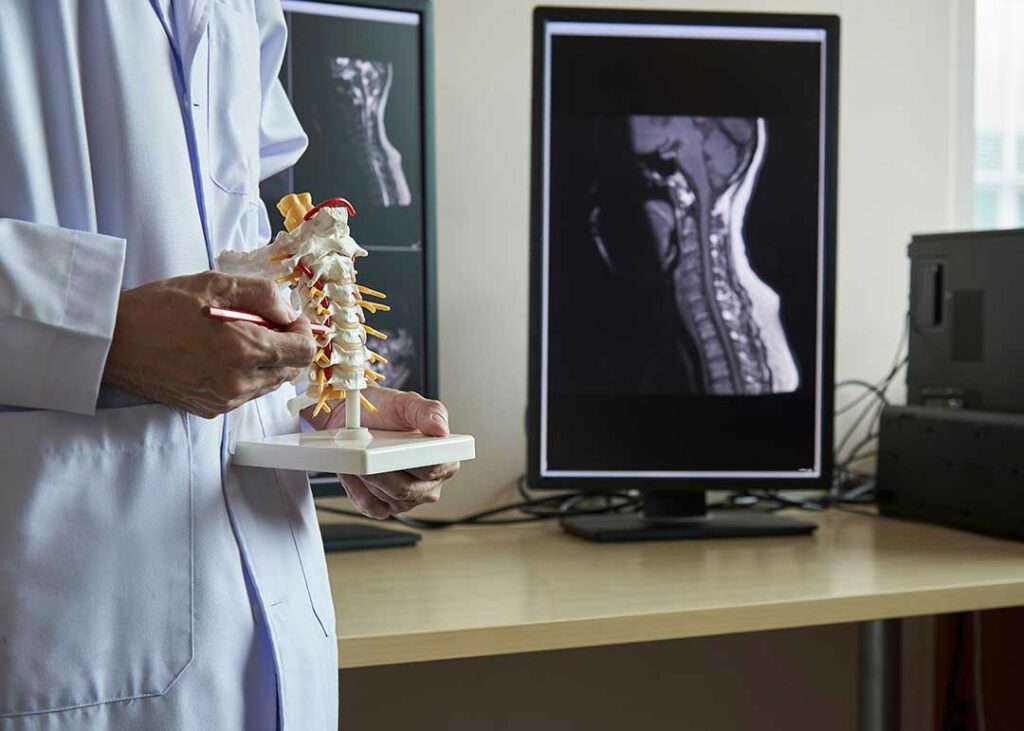
What sleeping position is healthiest for the spine?
For most adults, the healthiest sleeping position is the one that keeps the head, shoulders, hips, and spine reasonably aligned without creating pressure or twisting. Side sleeping and back sleeping are usually easier to adapt for spinal comfort, while stomach sleeping often places more stress on the neck and lower back. ([mayoclinic.org](https://www.mayoclinic.org/diseases-conditions/back-pain/in-depth/sleeping-positions/art-20546852?utm_source=openai))
There is no single position that works for everyone. A person with low back pain may feel better on the back with support under the knees, while someone who snores or has sleep apnea may breathe more comfortably on the side. Comfort, breathing, existing injuries, pregnancy, and morning symptoms all matter.
Is side sleeping good for back and neck health?
Side sleeping can support a healthy spine when the body is not curled tightly or allowed to twist. Keeping the knees slightly bent and placing a pillow between them can help prevent the top hip from rotating forward and pulling the pelvis out of alignment. This may reduce strain through the lower back. ([mayoclinic.org](https://www.mayoclinic.org/diseases-conditions/back-pain/in-depth/sleeping-positions/art-20546852?utm_source=openai))
A side-sleeping setup usually works best when:
- The pillow fills the space between the mattress and the side of the head without pushing the neck upward.
- The nose stays generally in line with the center of the chest.
- The hips and shoulders are stacked rather than rolled forward.
- A pillow between the knees keeps the upper leg from dropping toward the mattress.
- The body is not tightly curled into a fetal position for the entire night.
A full-length pillow may be useful for people who move frequently or have difficulty keeping the legs supported. It is not necessary to sleep on the left or right side unless a medical condition or personal comfort makes one side preferable.
Side sleeping may also help reduce snoring for some people because the airway is less likely to narrow than when lying flat on the back. Persistent loud snoring, gasping, witnessed breathing pauses, or severe daytime sleepiness should be evaluated as possible signs of sleep apnea. ([newsnetwork.mayoclinic.org](https://newsnetwork.mayoclinic.org/discussion/mayo-clinic-minute-what-is-the-best-sleeping-position/?utm_source=openai))
How should someone sleep on the back?
Back sleeping can be comfortable for people who prefer a neutral, open position. A pillow under the knees may reduce the tendency of the lower back to arch excessively and can allow the back muscles to relax. A small rolled towel under the lower back may help some people, but it should not create a pronounced arch or increase pain. ([mayoclinic.org](https://www.mayoclinic.org/diseases-conditions/back-pain/in-depth/sleeping-positions/art-20546852?utm_source=openai))
The head pillow should support the natural curve of the neck rather than forcing the chin toward the chest. A pillow that is too high can contribute to morning neck stiffness, while one that is too low may allow the head to tilt backward.
Back sleeping may not be ideal for people whose snoring or breathing problems worsen in that position. Gravity can allow the tongue and jaw to fall backward, narrowing the airway. If breathing symptoms improve when sleeping on the side, that position may be more suitable for nighttime comfort and safety. ([newsnetwork.mayoclinic.org](https://newsnetwork.mayoclinic.org/discussion/mayo-clinic-minute-what-is-the-best-sleeping-position/?utm_source=openai))
Why can stomach sleeping cause problems?
Stomach sleeping is not automatically harmful, but it often makes neutral spinal alignment difficult. The head must usually turn to one side for breathing, which can leave the neck rotated for several hours. The lower back may also sink into an increased arch, particularly if the mattress allows the abdomen and pelvis to drop.
If stomach sleeping is the only position that feels comfortable, a thinner head pillow may reduce neck rotation. A pillow under the hips and lower abdomen may also reduce stress on the lower back. These changes are described as ways to reduce strain, not as a guarantee that the position is suitable for every person. ([mayoclinic.org](https://www.mayoclinic.org/diseases-conditions/back-pain/in-depth/sleeping-positions/art-20546852?utm_source=openai))
A gradual transition to side or back sleeping may be easier than trying to change positions abruptly. Placing a body pillow along the front of the body can make side sleeping feel more secure.
How can pillow height affect spinal alignment?
Pillow height matters because it determines whether the neck stays level with the rest of the spine. The correct height depends on sleeping position, shoulder width, body size, and mattress firmness.
For side sleepers, a thicker pillow is often needed because the shoulder creates more distance between the head and mattress. For back sleepers, a moderately supportive pillow may work better. Stomach sleepers commonly need less height because the head is already rotated to the side.
A useful test is to take a side-view photo while lying in the usual position. The neck should appear relatively straight rather than angled sharply upward or downward. Persistent morning headaches, neck stiffness, numbness, or pain between the shoulder blades may indicate that the pillow arrangement needs adjustment, although those symptoms can have other causes.
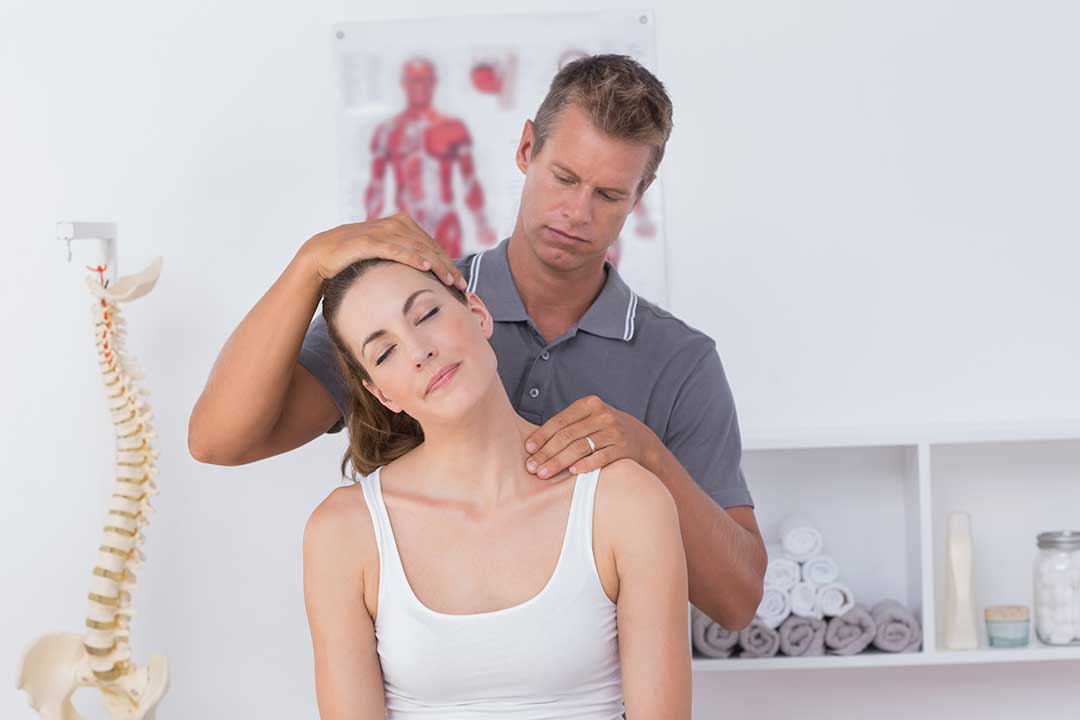
Does the mattress need to be very firm?
A very firm mattress is not automatically better for the spine. The sleeping surface should support the body without allowing the hips and shoulders to sink deeply enough to twist the spine. Research reviewed in clinical literature suggests that extremely hard surfaces may not be comfortable for many people with low back pain, while inadequate support can also contribute to poor alignment. ([pmc.ncbi.nlm.nih.gov](https://pmc.ncbi.nlm.nih.gov/articles/PMC3265433/?utm_source=openai))
For households dealing with seasonal temperature changes, a mattress protector and breathable bedding can help prevent overheating and restless movement. Restlessness may lead to repeated twisting, especially when heavy blankets, uneven surfaces, or crowded sleeping arrangements make it difficult to change position naturally.
The best practical test is how the body feels after several nights, not how firm the mattress feels when first lying down. Watch for repeated morning pain, numbness, or the sensation of being “stuck” when getting out of bed.
What is the safest way to get out of bed with back pain?
Turning directly from lying flat into a seated position can place extra stress on an irritated lower back. A gentler method is to:
- Roll onto one side while keeping the shoulders and hips moving together.
- Slide the legs toward the edge of the bed.
- Use the arms to push the upper body up as the legs lower toward the floor.
- Pause briefly before standing.
This approach limits sudden twisting and may be especially useful during a flare-up after yard work, shoveling, home repairs, or prolonged sitting.
When is nighttime or morning back pain a warning sign?
Sleep-position adjustments are reasonable for mild stiffness or ordinary mechanical discomfort, but some symptoms require prompt medical attention. Seek urgent care for back pain accompanied by new loss of bladder or bowel control, numbness around the groin, significant leg weakness, fever, unexplained weight loss, or pain after a serious fall or collision.
Pain that is severe, worsening, repeatedly interrupts sleep, or continues despite reasonable changes in position also deserves medical evaluation. A sleeping position can reduce strain, but it cannot correct every cause of spinal pain.
For most local residents, a practical starting point is to try side sleeping with a pillow between the knees or back sleeping with support under the knees, then judge the result by morning comfort, movement, and breathing rather than by a rigid rule about the “perfect” position.
