
 See Our Latest Article on HelloNation
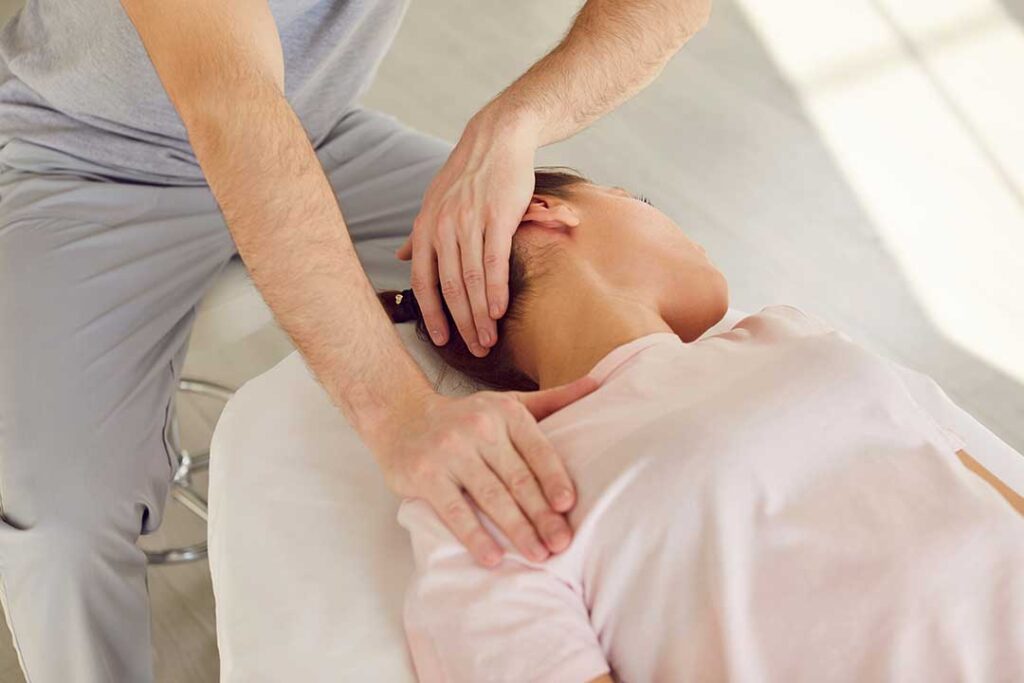
How Are Jaw Pain and Spinal Health Connected?
Jaw pain and spinal health are closely intertwined because the jaw's position and function can influence how the neck and upper spine move and feel. Residents in Stony Point, NY who notice headaches, jaw clicking, or neck discomfort might be surprised to learn how these problems often relate to each other.
The jaw joint—formally called the temporomandibular joint (TMJ)—sits just in front of the ear, where the jawbone meets the skull. This area shares muscular, ligamentous, and nerve connections with the upper neck (cervical spine). If the TMJ is not moving smoothly, or if the bite is misaligned, the supporting muscles may become tense, leading to additional strain on the neck and back.
What Can Cause Jaw Pain With Neck or Back Issues?
Jaw pain can develop alongside spinal discomfort for several reasons:
- Muscle Compensation: If the jaw is out of alignment, neck muscles may work harder to stabilize the head, causing neck or even shoulder pain.
- Postural Habits: Poor posture, especially from prolonged phone or computer use, can cause the head to jut forward, placing more load on the jaw and upper spine.
- Stress and Teeth Grinding: Many people in the Stony Point area experience stress, which can lead to jaw clenching or teeth grinding (bruxism). This habit often triggers both jaw and neck tension.
- Previous Injuries: Whiplash or falls, more common during certain icy or slippery months in the region, sometimes cause combined jaw and neck discomfort—sometimes only appearing weeks or months later.
How Can Jaw Problems Affect the Rest of the Spine?
Dysfunction in the jaw can set off a chain reaction through the body. When the jaw joint does not move as it should, muscles attached to the jaw, neck, and shoulders may tighten. This tension can, over time, disrupt balance and posture, sometimes reaching down to the lower back.
For example, when someone habitually shifts their jaw position to avoid pain on one side, their head and neck alignment may subtly shift as well. This can create extra wear and tear on spinal joints or nerves, and may contribute to headaches or a sensation of upper-back tightness—symptoms often reported by Stony Point households, especially among those who work at a desk or sleep in awkward positions.
Is It Common for Jaw Pain to Cause Headaches or Ear Symptoms?
Jaw pain can trigger headaches, facial aches, and a feeling of ear fullness. The TMJ sits close to the structures of the inner ear, and its muscles attach near those controlling head movement. When a problem develops in the jaw joint, tension can “radiate” outward, creating a symptom pattern that is sometimes mistaken for a simple earache, sinus issue, or migraine.
Many area residents experience jaw discomfort during times of seasonal allergies or dental work, misattributing their headaches to unrelated causes. However, the symptoms often overlap; jaw tension can easily amplify other types of head or face pain.
What Daily Habits or Seasonal Factors Contribute to Jaw-Spinal Pain Cycles?
Several habits and regional conditions make these problems more likely to affect Stony Point families:
- Cold Weather: Shivering and tight jaw clenching are common in colder months, which may aggravate both jaw and shoulder tension.
- Home Heating and Air Conditioning: Forced hot air systems, prevalent in local homes, can encourage mouth breathing overnight—sometimes drying tissues and leading to jaw stiffness in the morning.
- Remote Work and Screen Time: Increased time on digital devices can lead to extended periods of poor neck posture, dragging the jaw forward.
- Commuting and Driving: Longer drives to and from nearby towns can mean long stretches in a fixed position, where jaw tension and neck strain simultaneously increase.
What Are Warning Signs That Jaw and Spinal Problems Might Be Connected?
While everyone may feel occasional aches, some patterns suggest a deeper connection:
- Jaw clicks, pops, or locks along with frequent neck pain or headaches
- Difficulty opening the mouth wide, with simultaneous neck or shoulder soreness
- Headaches that seem to follow flare-ups in jaw tension, especially during periods of stress
- Ear pain or ringing without sign of infection, especially if often paired with neck stiffness
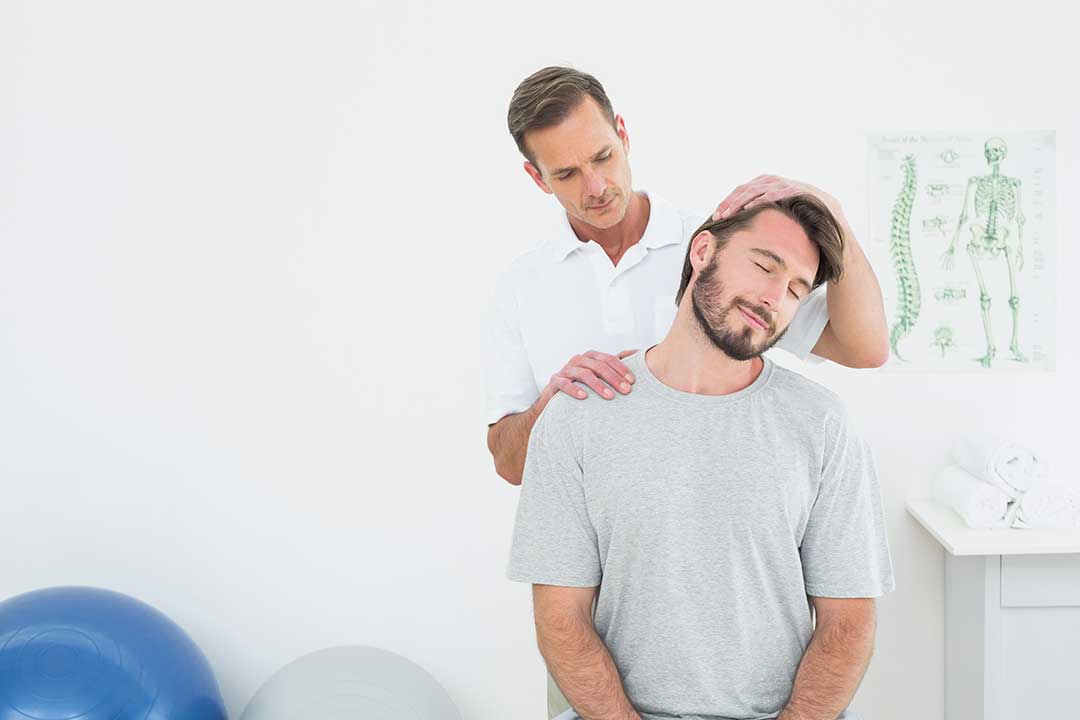
Area residents who recognize these combinations should consider adjustments in lifestyle, posture, or home ergonomics, especially during colder months or when stress levels rise.
How Can Local Residents Support Both Jaw and Spine Health at Home?
Simple, consistent habits can reduce strain on both the jaw and upper back:
- Practice gentle jaw stretches: Slow, small open-and-close movements without forcing range
- Use pillows and seating that support a neutral head and spine position, whether reading or watching TV
- Stay mindful of clenching or grinding, especially during stressful periods; consider using reminders or relaxing routines before bed
- Take brief breaks during computer use to move, stretch, and encourage relaxed jaw and neck postures
- Favor nasal breathing whenever possible, as it helps relax the jaw and supports better spinal alignment during sleep
Are There Common Misconceptions About Jaw-Spine Pain in the Community?
A frequent misunderstanding in the area is that jaw pain must always be a dental issue. In reality, many cases reflect interconnected patterns involving posture, muscle tension, and daily habits—not just a single tooth or gum problem.
Another misconception is that jaw pain and spine pain need to be treated entirely separately. Since the muscles and nerves often overlap, small changes in routine—such as sleep positioning or stress management—often help both areas improve together.
