
 See Our Latest Article on HelloNation

What Is a Subluxation?
A subluxation is a term used to describe a slight or partial misalignment of the bones in the spine, known as vertebrae. In practical terms, it means a vertebra isn’t sitting exactly where it should be, which can affect the surrounding nerves and tissues.
Most people may think of injuries or major dislocations, but subluxations can involve subtle shifts that don’t always cause immediate pain. These changes may disrupt normal nerve communication, which is why they’re often discussed in chiropractic care.
Why Do Subluxations Matter?
Mild misalignments in the spine can lead to more than just discomfort. Over time, they may contribute to muscle tightness, joint stiffness, or even changes in posture. Some residents in the area notice mild symptoms like a stiff neck or sore back after long hours at a desk, especially during winter months when activity tends to decrease.
Beyond local aches and pains, subluxations can sometimes influence nerve signals traveling from the spinal cord to other parts of the body. This doesn't always mean severe health problems, but mild disruptions can show up as tingling, numbness, or unexplained muscle fatigue, especially following physical activity or after shoveling snow.
How Might Subluxations Happen in Everyday Life in Stony Point, NY?
Daily routines and the environment in Stony Point can play a role in why people experience subluxations.
Direct physical trauma is obvious, but more subtle everyday strains can make a difference. For example:
- Helping with storm clean-up or lifting firewood – Common during the colder months, awkward lifting can strain the spine.
- Shoveling snow – Repetitive twisting and bending increase risk, especially if proper technique isn’t used.
- Prolonged sitting – Working from home or at local offices often means long hours at a desk, increasing pressure on the lower back.
- Slips and falls – Icy driveways or wet leaves in autumn can lead to small, unnoticed injuries affecting spinal alignment.
Children and teens might experience these changes during sports practice, playground activity, or while wearing heavy backpacks.
Are Subluxations Always Painful?
Not always. In fact, many people in the community aren’t aware of minor spinal changes because symptoms can be subtle or delayed. While some feel noticeable discomfort or stiffness, others may have symptoms develop over time, such as:
- Reduced flexibility
- Occasional headache or jaw discomfort
- Muscle fatigue
This is why questions about posture and ergonomics often come up in local fitness and wellness conversations.
How Are Subluxations Evaluated?
A variety of professionals assess spinal alignment using different methods. Physical exams focus on posture, movement, and areas of tension. Sometimes imaging (like X-rays) is used if a more detailed view of the bones is needed, especially after a fall or car accident.
For many people in the area, regular movement and awareness of how the body feels are important first steps before considering any further evaluation. Home assessment usually involves checking for symmetry in shoulders and hips, and noticing if certain motions cause unexpected discomfort.
Can Subluxations Heal on Their Own?
Mild changes in alignment, such as those from sleeping in an odd position or light muscle strain, can improve with rest and movement. Simple self-care steps that often help include:
- Taking frequent movement breaks during the day
- Using proper body mechanics while lifting or cleaning
- Engaging in regular stretching, especially in colder months when stiffness is common
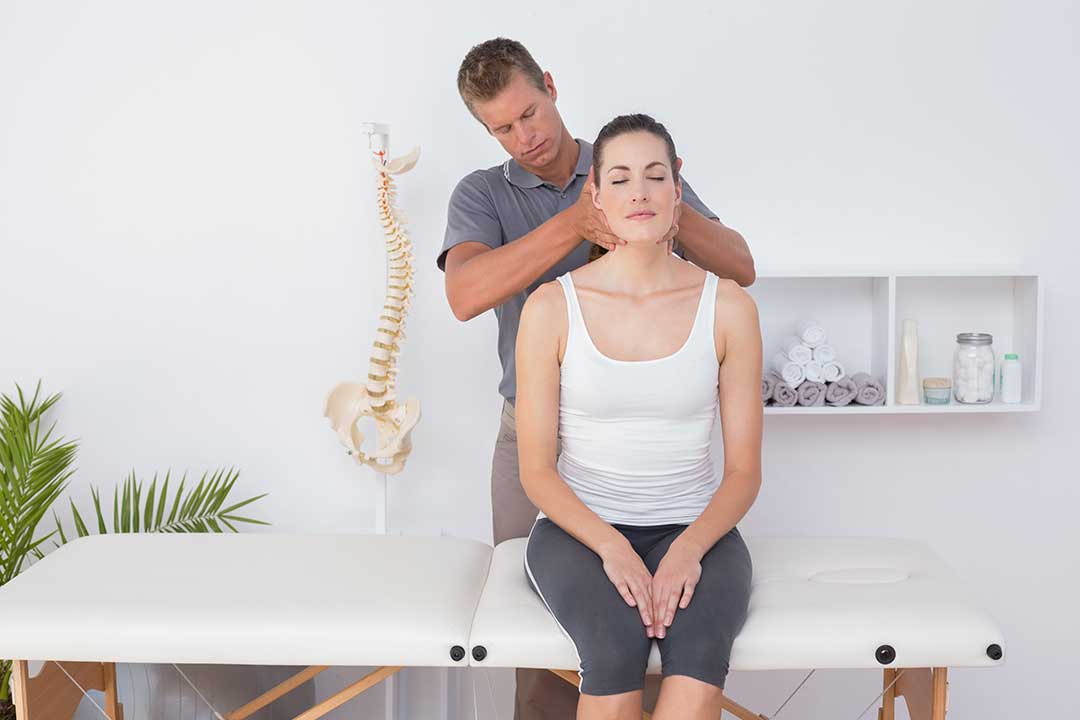
Persistent symptoms, loss of range of motion, or increasing discomfort may indicate that the body isn’t adapting on its own and could warrant closer attention. If numbness, severe pain, or weakness occurs, these may be signs of a more serious injury.
Common Myths About Subluxations
Many misconceptions circulate about what subluxations are and what effects they have:
- It’s not true that a subluxation always causes obvious pain
- Not all spinal discomfort is caused by subluxations—muscle strains or other injuries can feel similar
- A subluxation, as used in chiropractic, is different from a complete dislocation or a bone fracture
Knowing the difference helps residents make more informed choices, particularly in a region with active, outdoor lifestyles and varying seasonal risks.
Practical Tips for Area Households
Many residents find it useful to focus on prevention and self-care:
- Practice good posture when reading, using devices, or working at a desk
- Stay physically active, even during colder months or rainy periods, to keep muscles and joints flexible
- Stay alert for early signs of discomfort, and adjust daily activities to reduce strain on the spine
Physical changes to the environment – like using supportive chairs or clearing icy steps thoroughly – can also reduce the risk of slips or repetitive strains that contribute to minor spinal shifts.
