
 See Our Latest Article on HelloNation
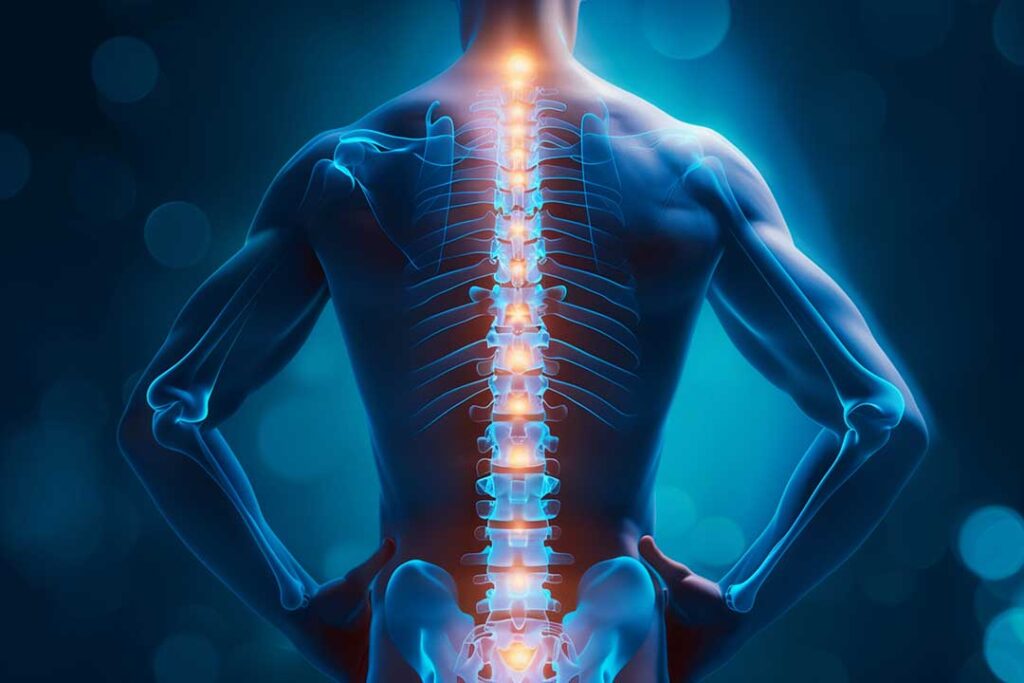
What Is a Chiropractic Adjustment?
A chiropractic adjustment is a hands-on technique typically performed to address joint restrictions and support nervous system function. It is most often focused on the spine, but can also be used on other joints. Adjustments are designed to improve mobility, reduce discomfort, and promote natural alignment. Residents in Stony Point, NY often encounter lifestyle factors—such as yard work, local weather shifts, or extended time commuting—that can contribute to joint stiffness and related symptoms.
How Can You Recognize Signs That an Adjustment May Help?
Many people ask about warning signs that their body might benefit from a chiropractic adjustment. The most common clues include:
- Persistent or recurrent back pain, especially in the lower or mid-back
- Regular neck discomfort, tightness, or reduced movement
- Headaches that seem connected to neck or upper back tension
- Stiffness when getting out of bed or after long periods sitting
- A sensation of joints “catching” or not moving fluidly
Sometimes, these symptoms are mistaken for normal aging or attributed to seasonal changes in the area, but they may be clues of underlying joint function issues. Being attentive to gradual changes can help pinpoint when support may be beneficial.
Does Everyday Life in the Area Affect Spinal Health?
Seasonal chores, travel habits, and local landscape features all play a role in spinal health. In Stony Point, snow shoveling in winter, yard maintenance in summer, and autumn leaf cleanup often require bending, lifting, and twisting motions. These activities—especially when performed without proper posture or warm-up—can place strain on the back and neck. Long commutes or working from home without ergonomic setups also contribute to tension and stiffness.
Regular activities such as:
- Gardening during warm months
- Raking leaves in local yards
- Carrying groceries up or down uneven walkways
may not cause immediate problems, but over time these repetitive movements can lead to subtle joint restrictions.
What Causes Joint Restrictions or Misalignments?
Joint restrictions can develop from a range of sources. Common contributors for local residents include:
- Slips and minor household accidents, especially on icy walkways in winter
- Repetitive motion from sports or hobbies, such as golf or cycling
- Inadequate stretching before or after physical tasks
- Posture habits, especially if using handheld devices or working at makeshift desks
It’s a misconception that only dramatic incidents lead to the need for an adjustment. Even mild, repeated stresses or old injuries can eventually result in joint tension or imbalance, sometimes with gradual onset of symptoms.
Are There Signs Not to Ignore That Suggest Professional Evaluation Is Needed?
Certain symptoms require timely assessment to rule out serious conditions. Seek qualified evaluation if you experience:
- Numbness, tingling, or weakness in arms or legs
- Loss of balance or coordination
- Sudden, severe pain after a fall or accident
- Trouble controlling bladder or bowel function
These concerns may signal issues beyond everyday joint restrictions and should not be self-managed. For most local households, less urgent but recurring pain and stiffness are the main reasons to consider further evaluation.

Can Lifestyle Changes Make a Difference?
Sometimes, mild discomfort or stiffness can be improved by modifying daily routines or introducing gentle movement. For example:
- Stretch before engaging in outdoor chores
- Use supportive footwear for walking in the neighborhood
- Maintain an ergonomic workspace—especially during colder months when more time is spent indoors
However, if such changes do not reduce symptoms after a few weeks, it may be appropriate to explore other options. Always ensure that new or worsening symptoms are discussed with a qualified healthcare provider, especially if pre-existing health concerns are present.
Why Do Headaches Sometimes Improve After an Adjustment?
Tension-type headaches are frequently linked to muscle tightness or restricted movement in the neck and upper back. Area residents often experience these headaches after long drives or extended periods using screens indoors during inclement weather. Adjusting the cervical (neck) spine can sometimes relieve pressure on nerves and reduce associated head pain. Not every headache will benefit from this approach, but when headaches cluster with neck tightness or poor posture, it can be a key clue.
How Do Children, Teens, and Older Adults Differ in Their Need for Adjustment?
Joint restrictions can occur at any age. Children and teens who participate in local sports, carry heavy backpacks, or spend long hours playing video games may develop postural imbalances. Older adults in the area, particularly those dealing with arthritis or who are less physically active in winter months, might notice increased stiffness or aches that respond to movement-based care.
For all age groups, the key is to be aware of changes in mobility or comfort that last more than a few days or begin interfering with daily tasks.
What Should Residents Track to Help Identify Patterns?
It can be helpful to keep a brief symptom diary if pain, stiffness, or headaches appear. Note the following:
- When symptoms occur (time of day, after which activities)
- Intensity and duration of discomfort
- Any changes in sleep, mood, or energy
Patterns can reveal triggers related to local routines, seasonal variations, or specific types of movement. This record can also aid healthcare providers in making tailored recommendations.
Are There Misconceptions About When Chiropractic Adjustments Are Needed?
One common misconception is that cracks or “popping” sounds in joints mean something is wrong or that only severe pain warrants an adjustment. In reality, satisfaction with daily movement, the ability to perform tasks without discomfort, and overall mobility are better indicators of spinal health than noise alone or pain intensity.
It’s also unclear to many that preventive approaches play a role. Regular attention to posture, movement, and flexibility can help area residents minimize symptoms and reduce the odds of recurring issues requiring outside support.
