
 See Our Latest Article on HelloNation
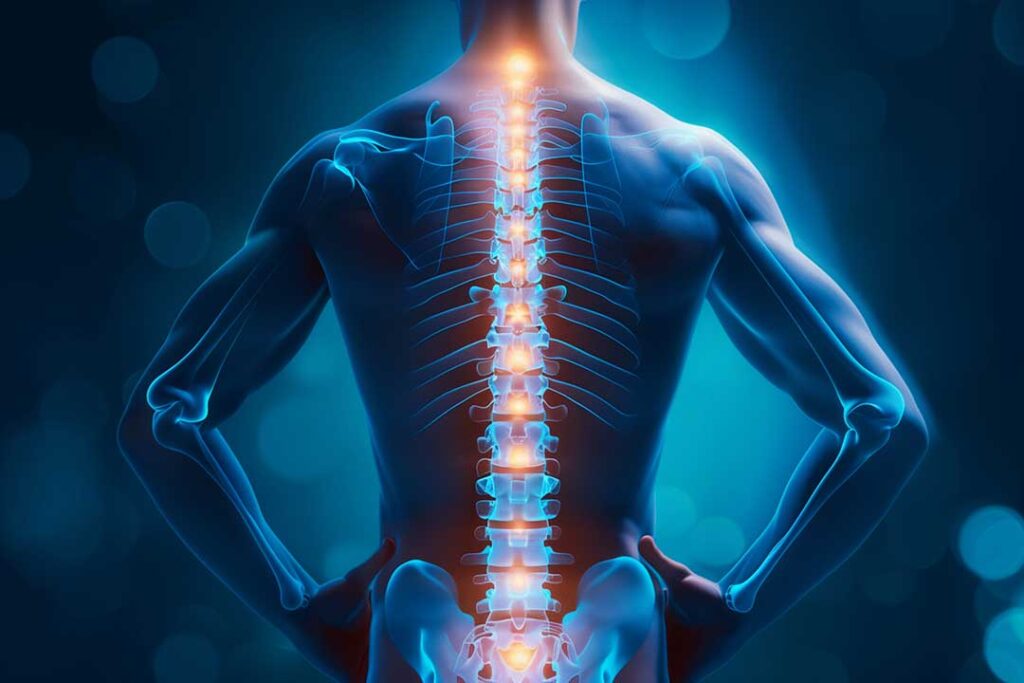
Arthritis can make walking, lifting, sleeping, or getting through household tasks more difficult, but pain does not always mean that movement should stop. A thoughtful plan may include gentle exercise, joint protection, heat or cold, strength training, and—when appropriate—carefully selected chiropractic techniques.
Arthritis is a broad term covering more than 100 conditions. Osteoarthritis, rheumatoid arthritis, gout, and other inflammatory disorders do not behave in exactly the same way. The most useful approach depends on the affected joints, the cause of pain, swelling, medical history, and whether symptoms are stable or changing.
Can chiropractic care help with arthritis?
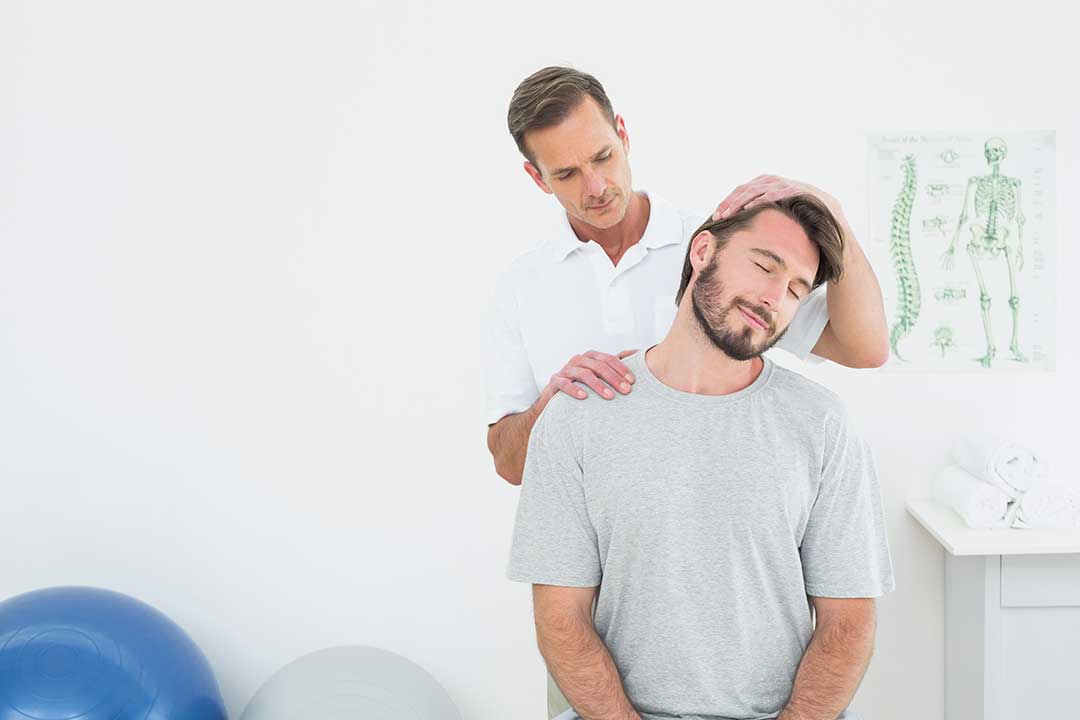
Chiropractic care may help some people manage stiffness, related muscle tension, and movement limitations, particularly when arthritis is contributing to back or neck discomfort. However, spinal manipulation should not be presented as a way to reverse arthritis or rebuild damaged cartilage.
Research is stronger for spinal manipulation in certain types of low-back and neck pain than it is for arthritis itself. The National Center for Complementary and Integrative Health describes the potential benefits for back pain as modest, with evidence quality varying by condition. ([nccih.nih.gov](https://www.nccih.nih.gov/health/tips/things-to-know-about-spinal-manipulation-for-lowback-pain?utm_source=openai))
For someone with arthritis, a cautious plan may emphasize:
- Gentle mobilization rather than forceful thrusting
- Exercises that improve strength and range of motion
- Posture and movement strategies for daily activities
- Advice about pacing, rest, and reducing repeated joint strain
- Coordination with a medical clinician or physical therapist when symptoms are complex
Treatment should be adapted to the individual. A painful, swollen, or unstable joint may need a different approach from a stiff but otherwise stable area.
What exercises are usually easier on arthritic joints?
Low-impact activity is generally more manageable than running, jumping, or other movements that place repeated high forces through painful joints. Walking on level surfaces, cycling, swimming, water exercise, tai chi, and light gardening are examples of joint-friendly options. The Centers for Disease Control and Prevention notes that physical activity can reduce arthritis pain and improve function, mood, and quality of life. ([cdc.gov](https://www.cdc.gov/arthritis/prevention/index.html?utm_source=openai))
A practical starting routine might include:
- Five to ten minutes of comfortable walking or gentle movement
- Slow range-of-motion exercises for the affected joints
- Light strengthening with resistance bands, body weight, or small weights
- A gradual increase in duration or resistance only when symptoms remain manageable
The general adult target is 150 minutes of moderate activity each week, along with muscle-strengthening activity at least two days weekly. That is a long-term goal, not a requirement for the first week. Short sessions of five or ten minutes still count. ([cdc.gov](https://www.cdc.gov/arthritis/prevention/index.html?utm_source=openai))
A useful rule is to distinguish mild, temporary soreness from warning pain. Sharp pain, limping, worsening nighttime pain, or swelling that remains after rest deserves medical attention rather than being pushed through. ([archive.cdc.gov](https://archive.cdc.gov/www_cdc_gov/arthritis/basics/physical-activity/pain.html?utm_source=openai))
Should heat or cold be used for arthritis pain?
Heat is often more comfortable for stiffness, while cold may be more useful after activity or when a joint feels swollen. Neither method treats the underlying cause of arthritis, but both may provide temporary symptom relief.
For morning stiffness, a warm shower, warm compress, or brief heating session may make movement easier before dressing or beginning household tasks. After activity, a cold pack wrapped in a cloth may help settle soreness or swelling.
Use either treatment for about 15 to 20 minutes at a time, protect the skin, and allow the area to return to its normal temperature before repeating. People with reduced sensation, circulation problems, or difficulty recognizing excessive heat should use extra caution and ask a medical clinician for individualized advice. Thermal treatments are conditionally recommended in clinical guidance for osteoarthritis of the hand, hip, and knee. ([arthritis.org](https://www.arthritis.org/getmedia/d57cf9f5-e096-43a2-832d-dbc174065a58/Kolasinski-2020-american-college-of-rheumatology-a.pdf?utm_source=openai))
How can residents protect their joints during everyday tasks?
Joint protection is often more useful than avoiding activity altogether. In a home with stairs, outdoor steps, seasonal maintenance, or frequent snow and ice concerns, small changes can reduce strain during demanding days.
Try to:
- Break heavy chores into shorter periods
- Alternate standing, walking, and seated tasks
- Use both hands for heavier objects
- Keep frequently used items between waist and shoulder height
- Avoid holding one joint in the same position for long periods
- Use a cart, backpack, or other method that distributes weight evenly
- Take planned rest breaks before pain becomes severe
During colder months, joints may feel stiffer when a person is inactive or starts moving immediately after waking. Dressing in layers, warming up indoors, and choosing an indoor walking or cycling routine during icy conditions can make movement safer and more comfortable. Cold weather itself does not damage arthritic joints, but slippery surfaces increase fall risk.
Is weight management relevant to arthritis?
Weight management can reduce mechanical stress on weight-bearing joints, especially the knees, hips, ankles, and lower back. It should be approached without crash diets or unrealistic exercise demands.
For people carrying excess weight, even modest weight loss may reduce pain and improve physical function. The CDC also recommends combining nutrition changes with activity because exercise helps preserve muscle and supports long-term weight management. ([cdc.gov](https://www.cdc.gov/arthritis/hcp/self-management/index.html?utm_source=openai))
A realistic plan may involve regular meals, adequate protein, more minimally processed foods, and small increases in daily movement. People with diabetes, kidney disease, digestive disorders, or a history of disordered eating should seek individualized medical or nutritional guidance.
When should chiropractic treatment be postponed or medically reviewed?
New or rapidly worsening symptoms should be evaluated before beginning manual treatment. Medical review is especially appropriate for:
- A hot, red, or markedly swollen joint
- Fever, unexplained weight loss, or unusual fatigue
- Sudden weakness, numbness, or loss of coordination
- A recent fall, fracture, or significant injury
- Pain that is constant, severe, or worsening at night
- A suspected inflammatory condition such as rheumatoid arthritis
- New bladder or bowel changes with back pain
Neck manipulation requires particular caution. NCCIH reports that temporary soreness, stiffness, or headache can occur after spinal manipulation, while serious complications are very rare but have been reported. Neck-focused manipulation has also been associated with cervical artery dissection, a rare condition that can lead to stroke; the causal relationship remains debated, but the potential risk should be discussed. ([nccih.nih.gov](https://www.nccih.nih.gov/health/spinal-manipulation-what-you-need-to-know?6df6a1c6_page=3&85de4c3e_page=2&utm_source=openai))
A person with osteoporosis, a history of fracture, blood-clotting problems, cancer, infection, significant nerve symptoms, or use of blood-thinning medication should share that information before any hands-on treatment.
What is the most balanced approach?
For arthritis, chiropractic care is best viewed as one possible part of a broader movement and symptom-management plan—not a replacement for diagnosis, medication when needed, exercise, or treatment of inflammatory disease.
The strongest everyday foundations are usually consistent low-impact movement, gradual strengthening, adequate recovery, joint protection, and attention to changes in swelling or function. In Stony Point, seasonal weather and outdoor conditions may make pacing, indoor alternatives, and fall prevention particularly practical parts of arthritis self-care.
