
 See Our Latest Article on HelloNation
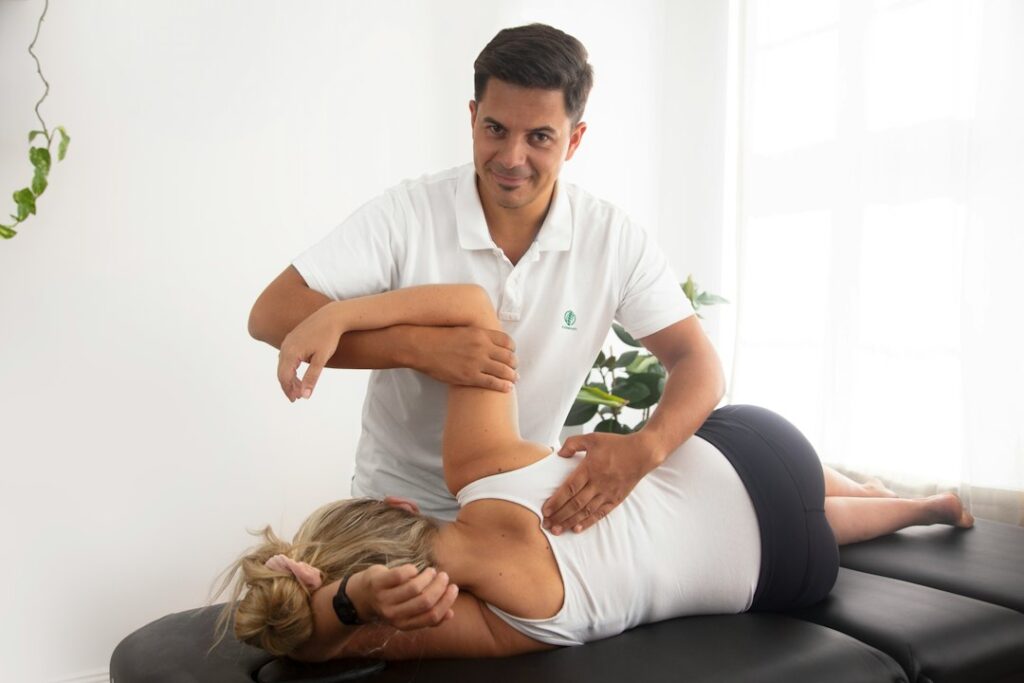
Can chiropractic care prevent sports injuries?
Chiropractic care may support sports injury prevention by identifying movement limitations, addressing certain musculoskeletal problems, and helping an athlete follow a safer rehabilitation or conditioning plan. It should be viewed as one part of injury prevention—not as a replacement for strength training, coaching, medical evaluation, protective equipment, or adequate recovery.
The strongest injury-prevention strategies generally include gradual training progression, sport-specific strength and balance work, sound technique, appropriate equipment, sleep, hydration, and responding early to pain. Chiropractic treatment may complement those measures when an athlete has restricted joint motion, recurring muscle tightness, or movement patterns that place extra stress on a body region.
What does a chiropractor evaluate in an athlete?
An evaluation may look at how the spine and extremities move during ordinary activities and sport-specific motions. Depending on the complaint, this can include the hips, knees, ankles, shoulders, elbows, wrists, and back.
A careful assessment may consider:
- Joint range of motion
- Muscle strength and flexibility
- Balance and coordination
- Repeated movement patterns
- Posture during running, lifting, throwing, or jumping
- Previous injuries and return-to-play history
- Training volume, recovery, footwear, and equipment
For example, a runner with limited ankle movement may compensate through the knee or hip. A person who plays recreational basketball may repeatedly land with poor control after fatigue sets in. A tennis player may develop shoulder or elbow symptoms because the legs and trunk are not contributing effectively to the stroke. These observations do not prove that one restriction caused an injury, but they can help guide safer movement and exercise choices.
Which chiropractic treatments may be useful?
Chiropractic care can include manual techniques such as joint mobilization, manipulation, and soft-tissue treatment. It may also include exercise instruction, mobility work, movement retraining, and advice about gradually returning to activity.
These approaches are most appropriately used for specific musculoskeletal concerns rather than as a general promise that routine adjustments will prevent all injuries. Research on chiropractic treatment for sports injury prevention remains limited and mixed. Some studies suggest possible benefits when manual care is combined with established sports medicine and conditioning practices, while broader reviews have not shown enough consistent evidence to treat chiropractic care as a stand-alone prevention program.
The practical question is often not whether an athlete should receive an adjustment on a fixed schedule. It is whether a particular finding—such as reduced mobility, pain, or altered movement—is interfering with training and whether a targeted plan can address it safely.
Why are strength and movement training more central to prevention?
Muscles, tendons, joints, and the nervous system adapt to repeated demands. Progressive strengthening helps the body tolerate those demands, while balance and coordination exercises improve control during cutting, landing, lifting, and rapid changes of direction.
Useful components may include:
- Strengthening the hips, legs, trunk, shoulders, or other sport-specific areas
- Single-leg balance and controlled landing drills
- Agility and change-of-direction practice
- Gradual exposure to sprinting, jumping, throwing, or contact
- Exercises that improve coordination between the trunk and limbs
- Technique adjustments that reduce unnecessary strain
A chiropractor may help identify a movement limitation or provide exercises, but the athlete’s consistent participation in a well-designed training program is usually more important than passive treatment alone.
Does chiropractic care improve athletic performance?
There is not strong evidence that spinal adjustments directly improve speed, strength, endurance, or sports performance in healthy people. Some athletes report feeling looser or moving more comfortably after treatment, especially when they have a painful or restricted musculoskeletal area. That experience can be meaningful, but it should not be confused with proof that chiropractic care enhances performance beyond normal training effects.
Performance depends on many factors, including conditioning, skill, tactics, nutrition, sleep, stress, equipment, and recovery. Claims that routine adjustments are necessary for peak performance are not supported by reliable evidence.
How can local athletes reduce injury risk during seasonal activity?

Residents in Stony Point may participate in running, cycling, court sports, field sports, strength training, hiking, and outdoor recreation. Activity often changes with the seasons. A person who becomes less active during colder months may be more vulnerable when spring leagues, outdoor running, or recreational games begin again.
A safer transition includes:
- Starting below the previous season’s intensity
- Increasing training time, distance, or resistance gradually
- Allowing rest between demanding sessions
- Warming up with easy, sport-related movements
- Using footwear and protective equipment appropriate for the activity
- Avoiding sudden increases in weekend-only activity
- Practicing on surfaces that are stable and suitable for the sport
Cold weather can also make muscles and joints feel stiff, while wet, icy, or uneven outdoor surfaces can increase slipping and twisting risks. A longer gradual warm-up and attention to footing are practical precautions during seasonal changes.
Can chiropractic care help prevent repeat injuries?
It may help as part of a broader plan, particularly when a previous injury has left stiffness, weakness, altered movement, or fear of using the affected area. Repeat-injury prevention usually requires more than reducing symptoms. The athlete may need progressive loading, sport-specific drills, strength testing, and a staged return to practice and competition.
A common mistake is returning as soon as pain decreases. Pain relief does not necessarily mean that strength, balance, reaction time, or tissue tolerance have fully returned. The final stages of rehabilitation should resemble the demands of the activity, including fatigue and rapid movement when appropriate.
When is chiropractic care not the right first step?
Certain symptoms require prompt medical assessment rather than routine musculoskeletal treatment. These include suspected fracture or dislocation, severe swelling, inability to bear weight, major weakness, numbness, loss of coordination, chest pain, difficulty breathing, or symptoms after a significant collision.
A suspected concussion also requires appropriate evaluation and monitoring. Headache, confusion, vomiting, unusual behavior, memory problems, dizziness, or worsening symptoms after a head impact should not be managed with spinal manipulation. Athletes with possible concussion should be removed from play and assessed according to current concussion protocols.
Persistent pain, repeated injuries, or symptoms that are worsening despite reduced activity also deserve a coordinated evaluation. Depending on the situation, care may involve a physician, physical therapist, athletic trainer, or other qualified health professional.
What is the most realistic role of chiropractic in prevention?
The most evidence-informed role is supportive and specific. Chiropractic care may help an athlete address selected joint, muscle, or movement problems while participating in a larger prevention program built around conditioning, technique, recovery, and appropriate medical care.
The goal is not to promise that injuries can be eliminated. Sports involve force, repetition, speed, contact, and unpredictable events. A sensible plan reduces avoidable risk, recognizes warning signs early, and helps the athlete return to activity with restored strength and control.
